Two Scottsdales, two sets of pests
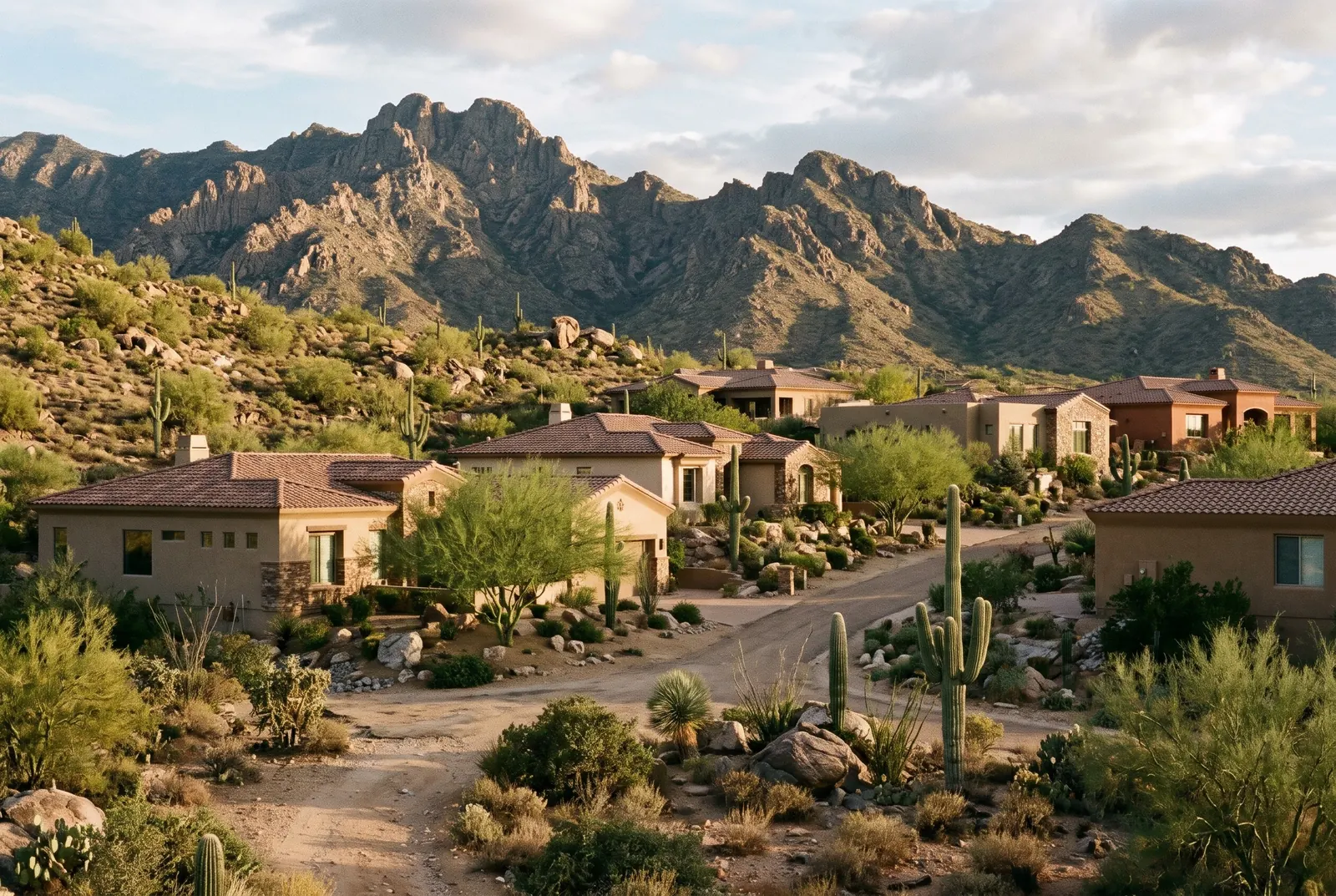
Scottsdale is long and narrow: about 31 miles from its southern edge near the Salt River to its northern limits, and at most about 11 miles wide. The McDowell Mountains run along its east side. That shape gives the city two very different kinds of neighborhoods, and pest pressure tracks the difference.
South and central Scottsdale is the older, irrigated part of the city. South Scottsdale has long had older homes, the Shea corridor was mostly built in the 1970s, and master-planned McCormick Ranch, whose original ranch was sold to a developer in 1970, is built around lakes and parks. Mature trees, turf, citrus and palms are common.
North Scottsdale is where most newer building has happened, much of it set into native desert. The city's Environmentally Sensitive Lands Overlay covers about 134 square miles north and east of the Central Arizona Project canal. It requires each property to keep a share of its land as permanent natural open space, from 20% on lower desert lots to as much as 80% on hillsides, and to leave washes natural where practical.
Desert-edge homes: scorpions and native termites
The McDowell Sonoran Preserve covers about 47 square miles, roughly a third of Scottsdale's land. Add the open space required on individual lots, and many north Scottsdale homes border undisturbed desert on one or more sides.
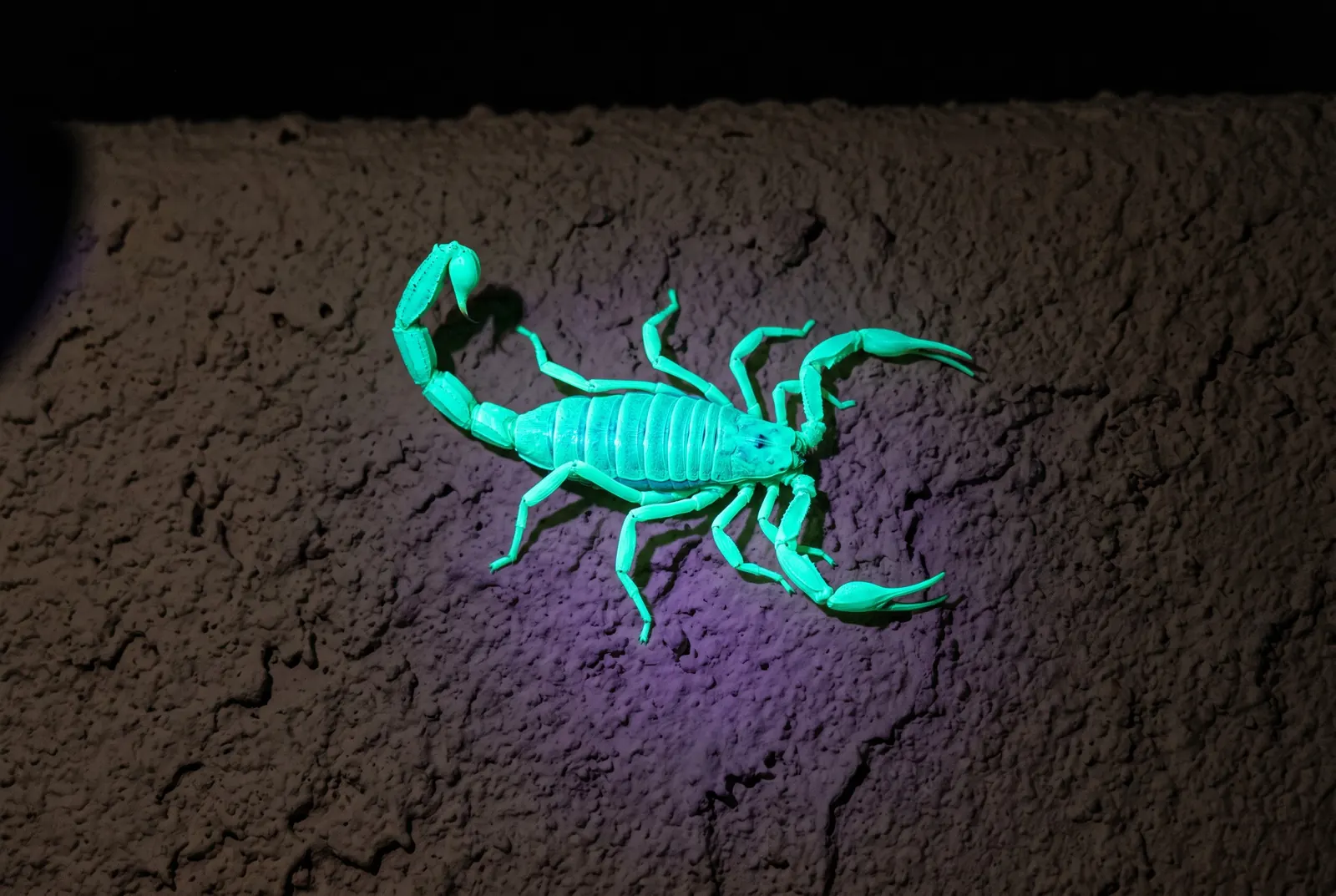
That matters most for bark scorpions. University of Arizona Extension says scorpions can't be managed with pesticides alone and that sealing the house is the most effective step. Homes near washes can see more scorpions during monsoon storms. For a house surrounded by natural habitat, expect a provider to talk about door sweeps, weatherstripping, gaps at eaves and pipes, and a UV inspection at night. See scorpion control.
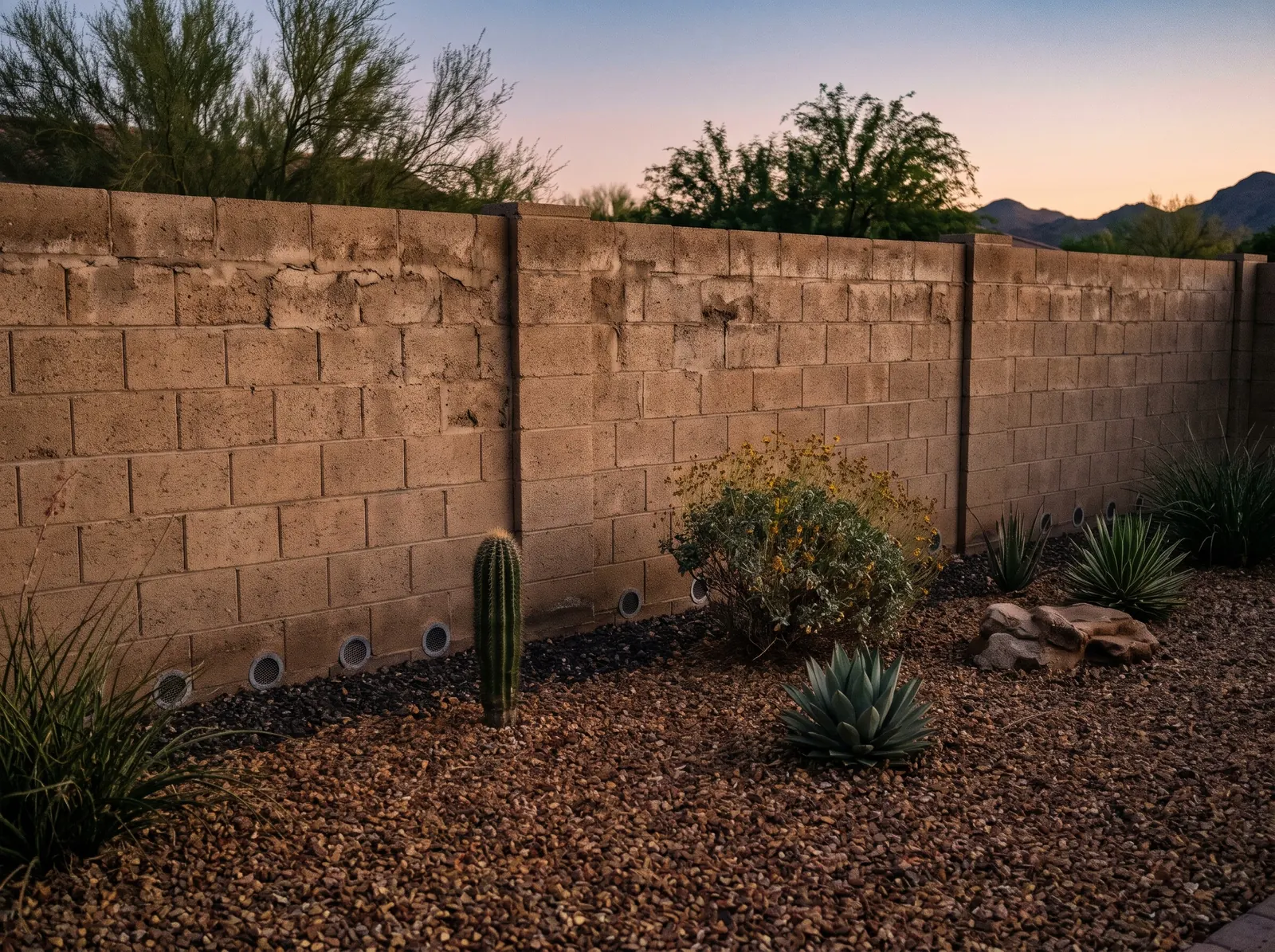
For termites, Extension notes that the arid-land subterranean termite feeds on creosote and similar shrubs and can move into structures built where that vegetation was cleared. The desert subterranean termite, the Valley's most destructive species, is common too. Watch the stem wall for mud tubes, especially after monsoon rains. See termite treatment.
Older irrigated areas: rats and roaches
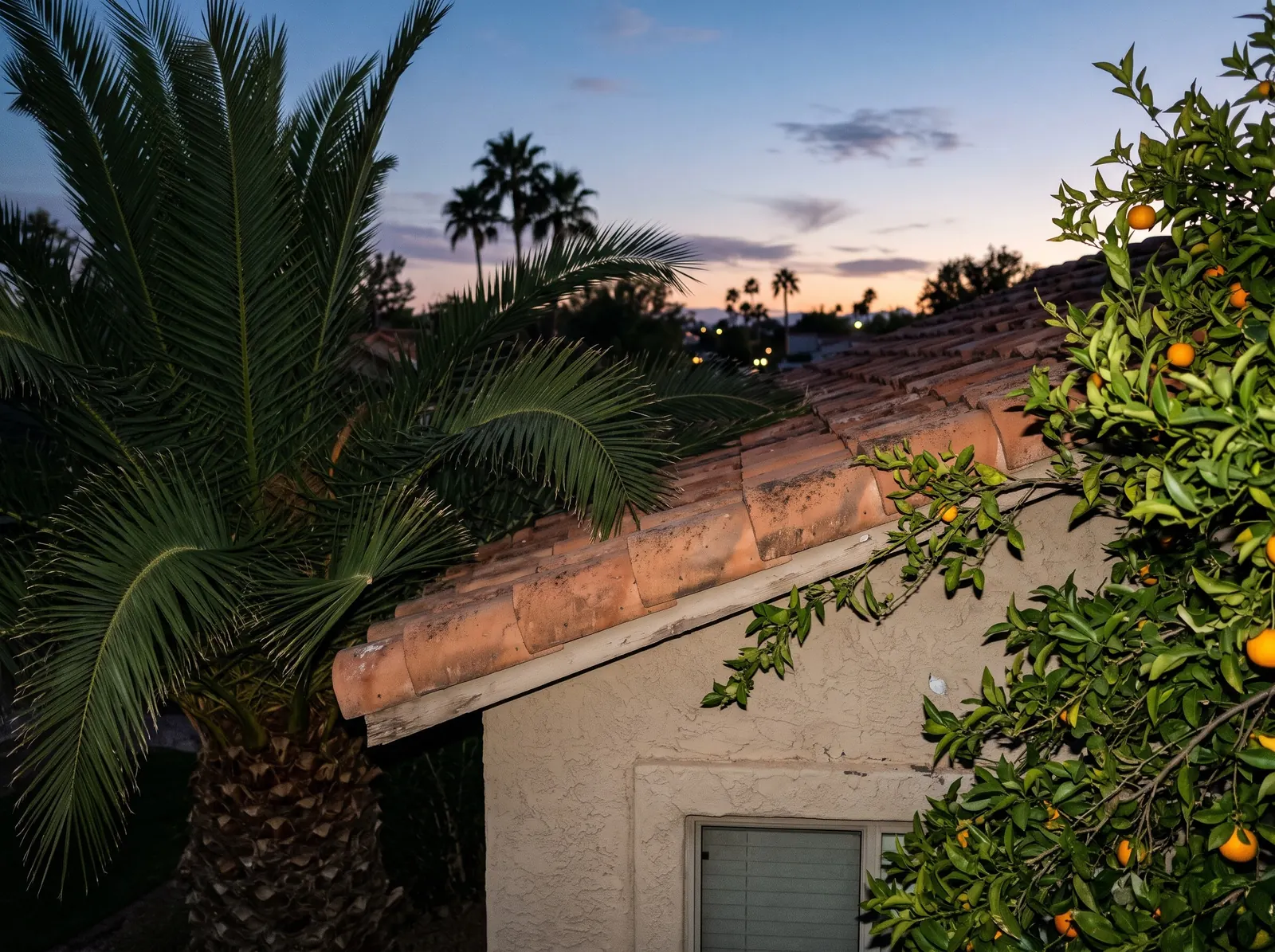
South and central Scottsdale's mature landscaping is the kind of habitat Extension describes roof rats settling into: old citrus, palms, dense plantings and nearby canals. The Arizona Canal passes through this part of the city, and the Indian Bend Wash Greenbelt, an 11-mile flood-control corridor of parks, lakes and golf courses, runs through its center. Hollowed oranges and scratching in the attic at night are the usual first signs. See roof rat control.
Older homes on older sewer lines may also see American cockroaches coming up through drains, while German cockroaches are an indoor kitchen problem anywhere. Recurring plans are usually built around these, along with ants and crickets. See general pest control.
Hiring in Scottsdale
Whatever part of the city you're in, check the company's Arizona license with the Department of Agriculture's Pest Management Division before signing, using the license check guide. If you're buying a home, the state's termite history search shows treatment records filed for the address in the past three years.
Common questions
Why do north Scottsdale homes see so many scorpions?
Much of north Scottsdale sits in or next to undisturbed Sonoran Desert. The McDowell Sonoran Preserve covers about a third of the city, and the city's sensitive-lands rules require new lots to keep natural open space. Bark scorpions live in that desert, so homes bordering it have a constant outside source. University of Arizona Extension says sealing the house is the most effective step.
Are roof rats a problem in Scottsdale?
They can be anywhere in the Valley, but University of Arizona Extension says roof rats favor mature citrus, palms and dense landscaping near canals. That describes many older, irrigated south and central Scottsdale neighborhoods better than newer desert-landscaped lots. Hollowed citrus and attic noises at night are the usual first signs.
Does Scottsdale's desert landscaping affect termites?
It can. University of Arizona Extension notes the arid-land subterranean termite feeds on desert shrubs like creosote and can move into homes built where that native vegetation was cleared. Desert subterranean termites are common Valley-wide. Ask an inspector which species they found and check the property's termite treatment records with the state.
Sources
- Wikipedia, Scottsdale, Arizona (geography)
- City of Scottsdale, McDowell Sonoran Preserve
- City of Scottsdale, Environmentally Sensitive Lands Overlay (ESLO)
- City of Scottsdale, Indian Bend Wash Greenbelt
- McCormick Ranch Property Owners' Association, Community history
- University of Arizona Cooperative Extension, Scorpions
- University of Arizona Cooperative Extension, Termites of the Desert Southwest (AZ1356)
- University of Arizona Cooperative Extension, Roof rats: identification, ecology, and signs