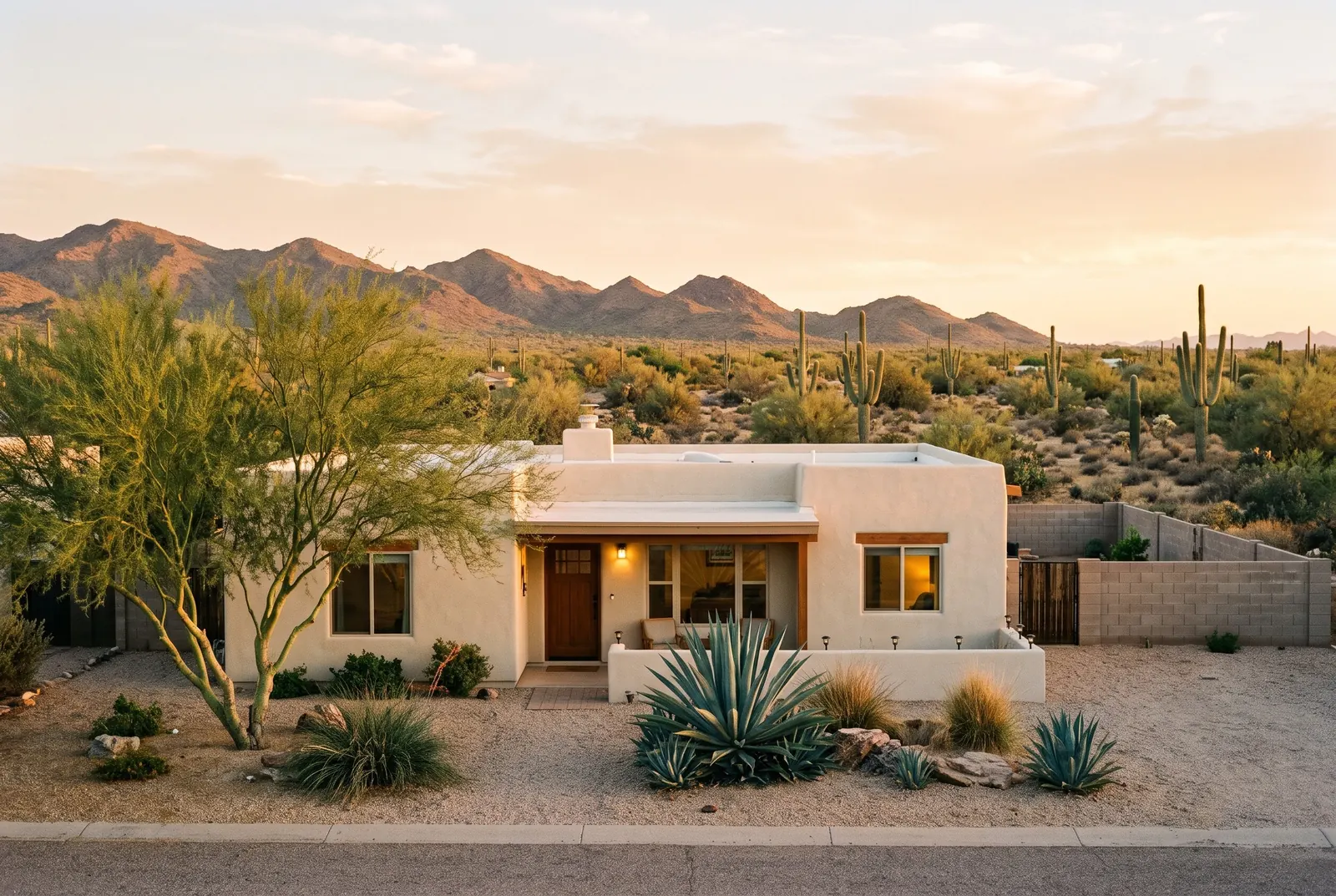
From farm town to subdivisions
Dr. A.J. Chandler founded the town in 1912 on part of his ranch, which covered 18,000 acres by 1900. For decades the area grew cotton, grains and alfalfa, and early on it even had ostrich farms. Chandler had about 3,800 people in 1950 and roughly 30,000 in 1980. By the 2020 census it had nearly 276,000, with growth driven partly by the manufacturing and electronics employers along the Price and Santan freeway corridors.
So most Chandler homes are slab-on-grade subdivision houses built from the 1980s on, often on former fields. The original 1912 townsite and the Hotel San Marcos, now on the National Register of Historic Places, anchor a much older, smaller downtown core.
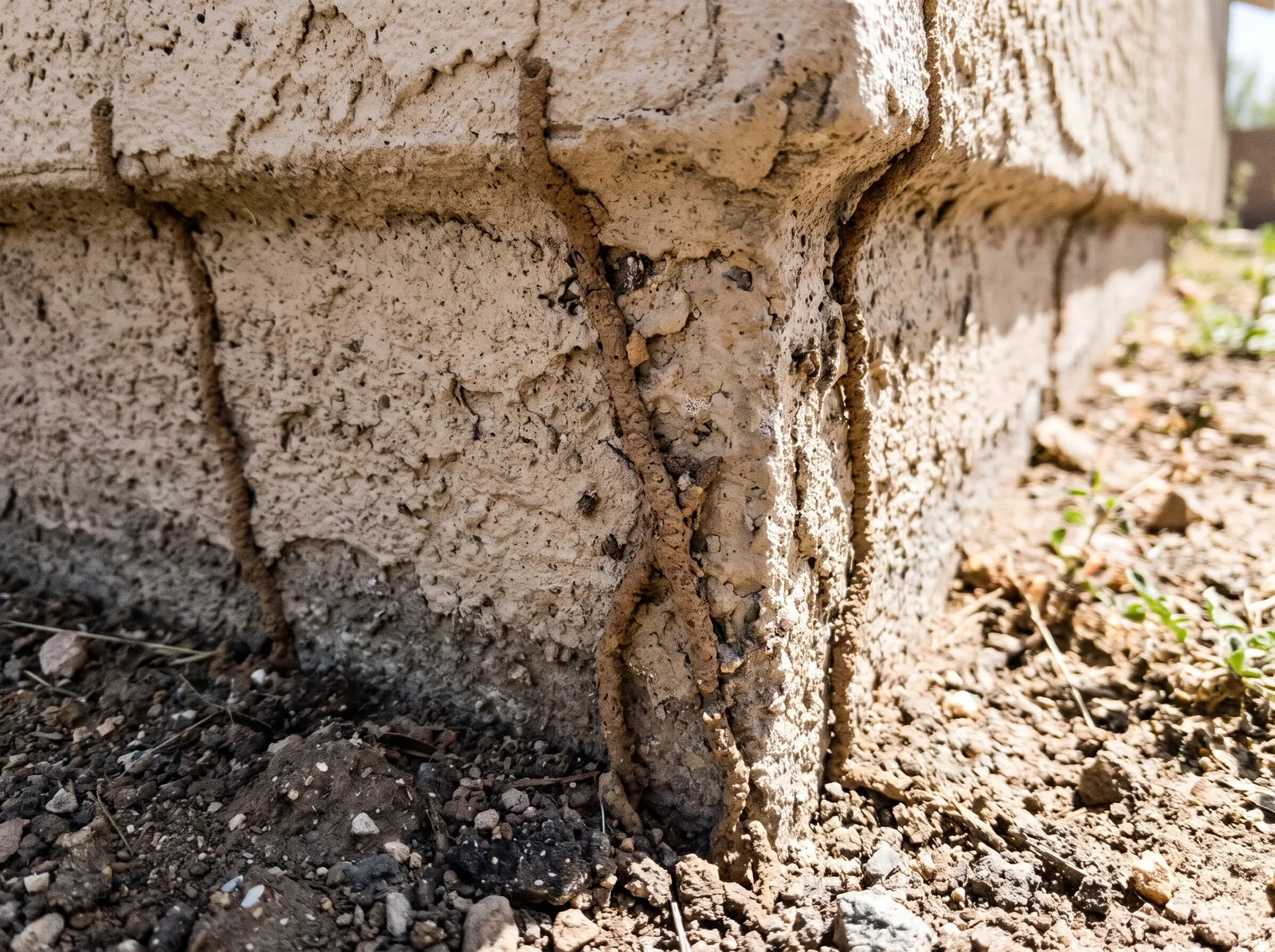
Termites in Chandler's subdivision homes
Subterranean termites are the main structural pest here, as in the rest of the Valley. University of Arizona Extension names the desert subterranean termite as the most common and destructive desert species, with swarms after monsoon rains from July to September.
The Chandler-specific issue is the age of the original termite protection. The Arizona Department of Agriculture says most Arizona homes are treated before or during construction. It also says those barriers can fail from soil disturbance, erosion and foundation cracks, and Extension notes that treatments can break down in Arizona's hot, dry conditions. A house pretreated in the 1990s, with no warranty kept up since, shouldn't be assumed protected.
Things that commonly disturb a pretreated zone on a subdivision lot include pool installs, patio slab additions, new landscaping beds and irrigation trenching along the stem wall. Extension recommends keeping irrigation lines more than 18 inches from the foundation and keeping soil near the stem wall drier. See termite treatment.
Lake communities and mature landscaping
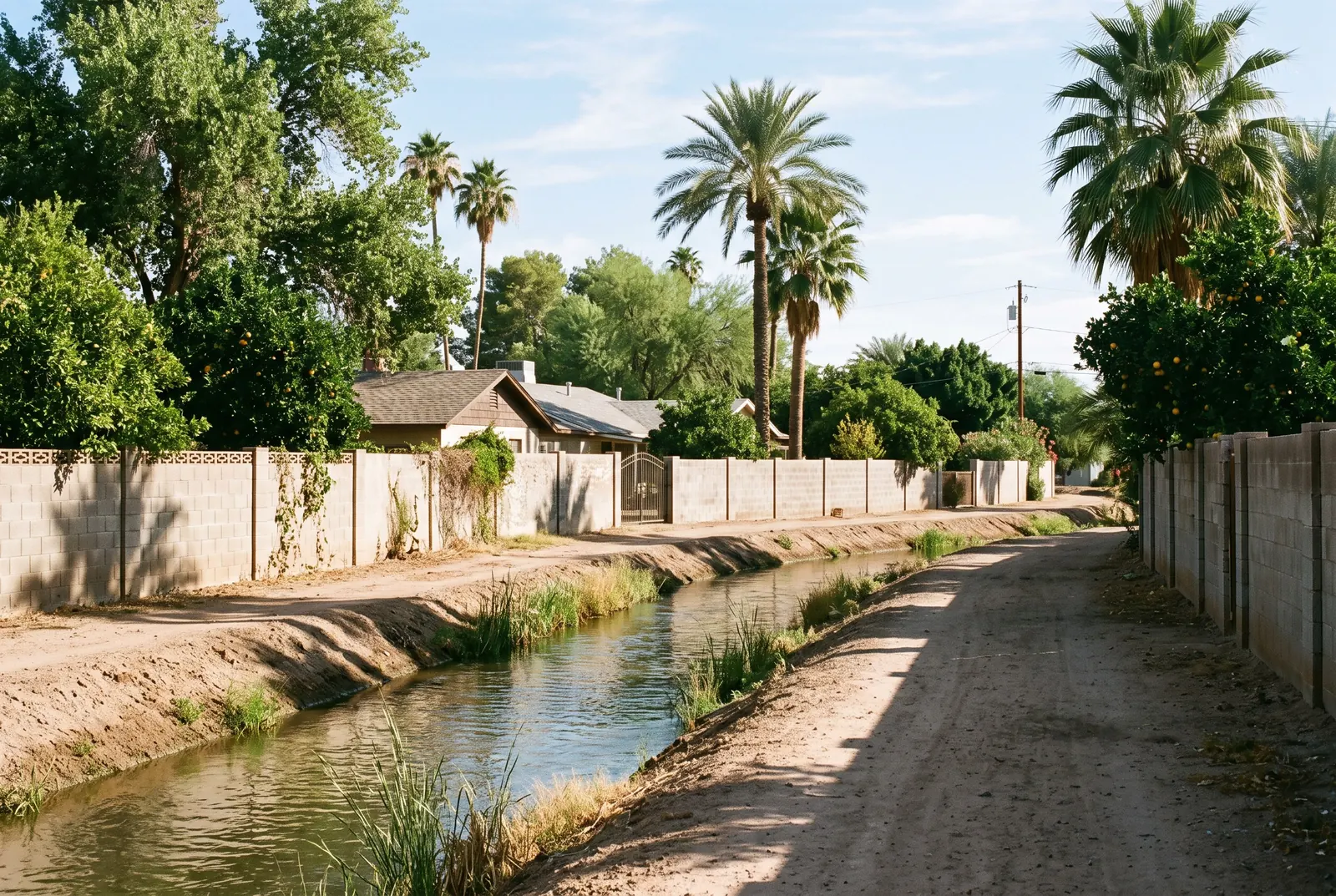
Chandler has several master-planned lake communities. Ocotillo, in the south part of the city, was planned around 138 acres of lakes filled with reclaimed water from a city treatment plant, plus golf. Communities like this tend to have dense landscaping, mature trees and water close to homes.
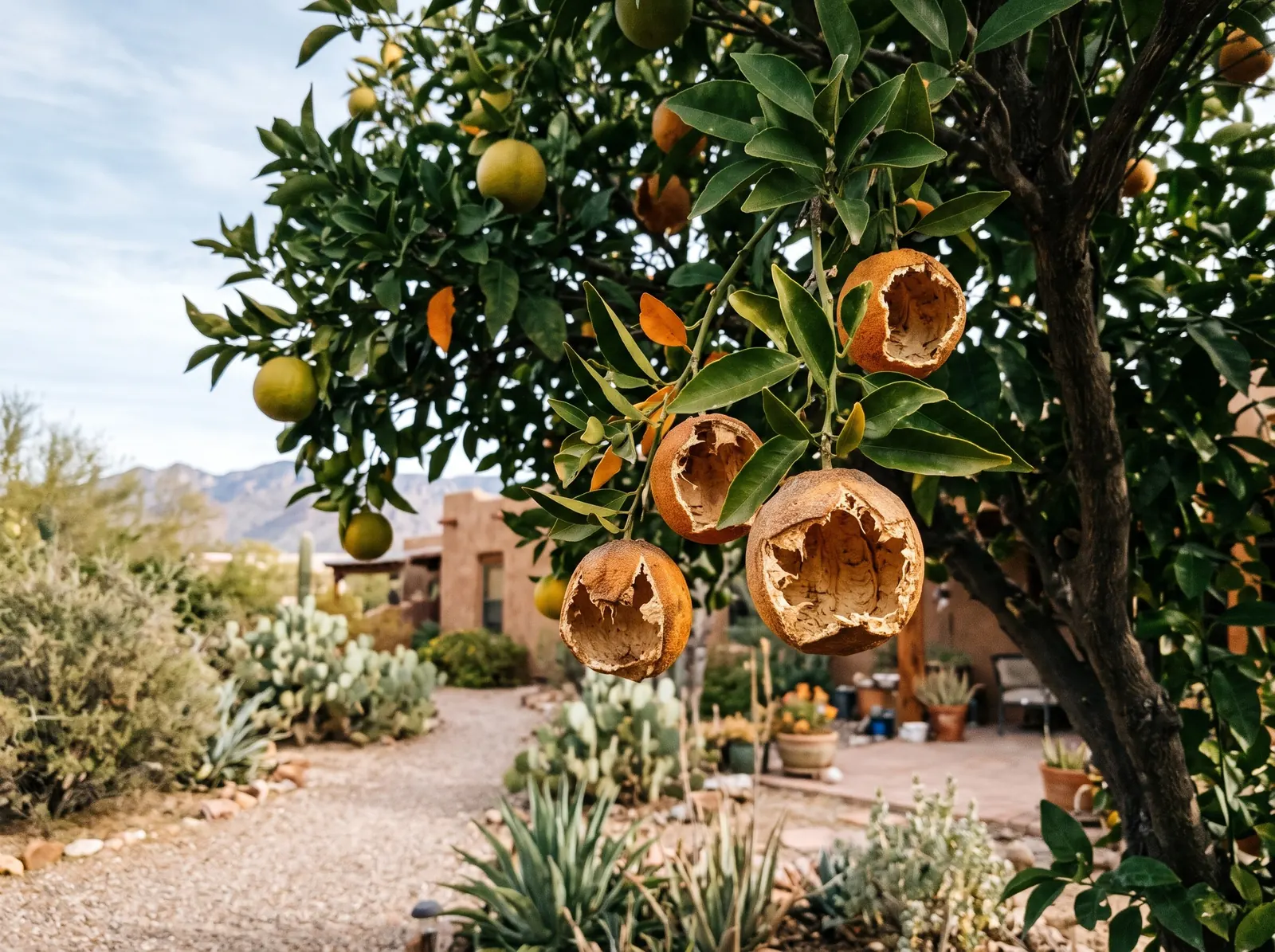
University of Arizona Extension says roof rats have settled into mature landscaping, citrus and palms, along with canals and food around homes. In January 2025, ABC15 reported a pest-control company describing a sharp rise in roof rat calls in the East Valley, including from Chandler homeowners hearing rats in their walls. Hollowed fruit, attic noises at night, and gnaw marks near the eaves are the usual signs. See roof rat control.
Older homes near downtown
Homes around the original townsite and older central neighborhoods are more likely to have older plumbing and mature trees. Extension notes American cockroaches can come up through drain traps from sewer lines, while German cockroaches live in kitchens in any home. Recurring plans covering ants, roaches, crickets and spiders are described on general pest control.
Hiring in Chandler
Ask for the company's Arizona Pest Management Division license number and confirm it with the license check guide. For termite work, get a written proposal showing the method, product, diagram and warranty terms, which Arizona's rules require at minimum.
Common questions
My Chandler home was pretreated for termites when it was built. Am I still protected?
Not necessarily. The Arizona Department of Agriculture says most Arizona homes are treated before or during construction, but treated barriers can fail from soil disturbance, erosion or foundation cracks. University of Arizona Extension adds that termiticides can break down in Arizona's heat. Unless a warranty has been kept up, an older pretreatment isn't ongoing protection.
How can I find out if my house has been treated for termites?
The Pest Management Division of the Arizona Department of Agriculture keeps public Termite Action Report Forms (TARFs) filed by licensed companies. Its termite history search lets you look up an address for records from the past three years. For older history, check closing paperwork, any warranty transfer documents, or ask the seller.
Do lake communities in Chandler have more pests?
Water and dense landscaping can support more insects and give roof rats the mature trees and cover they prefer, according to University of Arizona Extension. That doesn't mean every lakeside home has a problem. Keeping irrigation away from the foundation, trimming branches off the roof, and sealing entry points help in any neighborhood.
Sources
- City of Chandler, History of Chandler
- Wikipedia, Chandler, Arizona
- RICK Engineering, Ocotillo (Chandler) project
- Arizona Department of Agriculture PMD, Termite Recurrence Guide
- Arizona Department of Agriculture PMD, Termite Action Report Forms (TARFs)
- University of Arizona Cooperative Extension, Termites of the Desert Southwest (AZ1356)
- University of Arizona Cooperative Extension, Roof rats: identification, ecology, and signs
- ABC15, East Valley seeing increase in roof rats (Jan. 2025)
- University of Arizona Cooperative Extension, Cockroaches