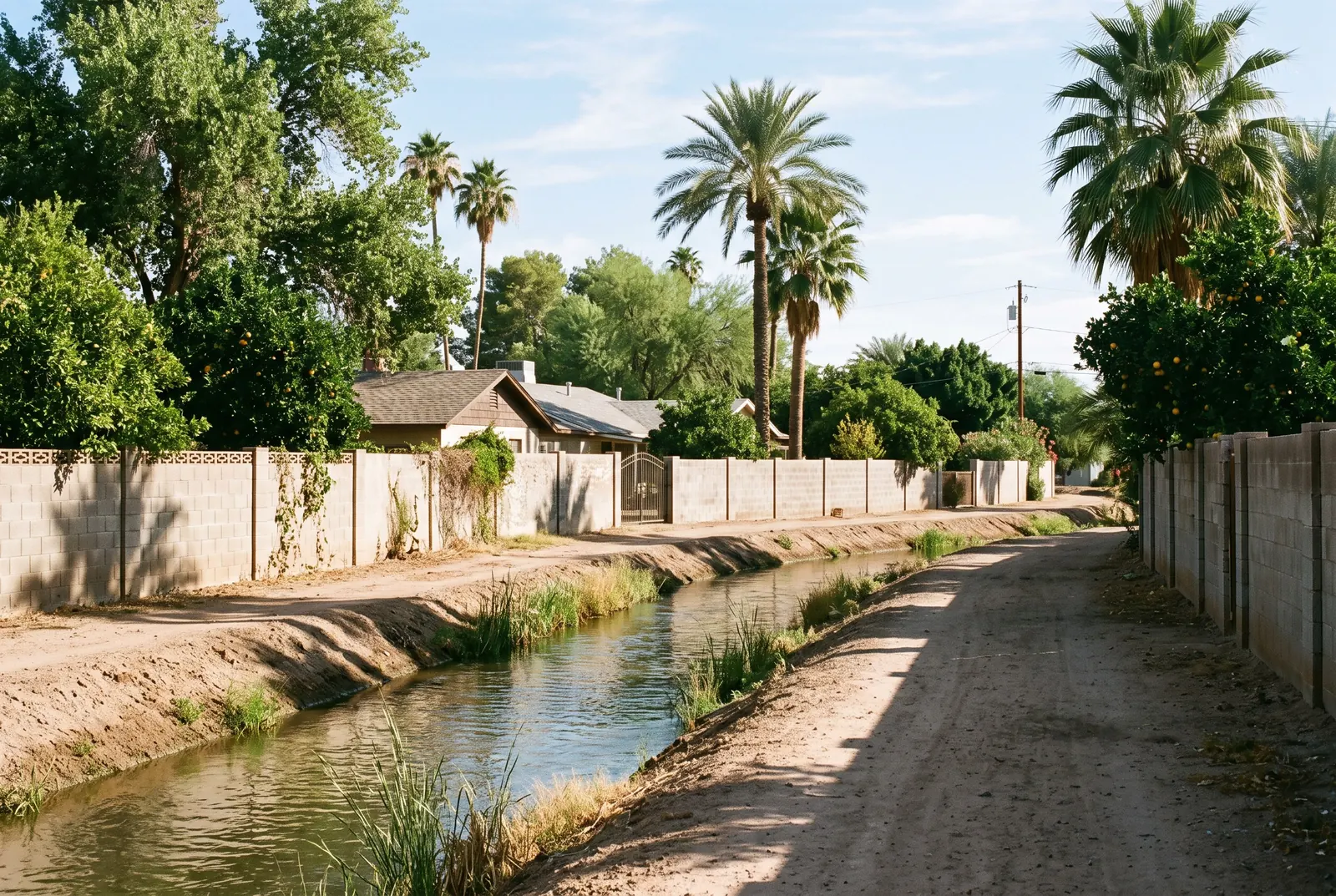
A canal town that grew north
Glendale exists because of irrigation. William John Murphy finished the 40-mile Arizona Canal in 1885 and, two years later, began selling land south of it under the name Glendale. The town was platted in 1895. Farms, orchards and cotton followed, along with a beet sugar factory that ran from 1906 to 1913, and a rail line along Grand Avenue.
Today the city covers about 65 square miles. It runs from those early irrigated tracts near downtown, past post-war and later subdivisions, to newer growth around Arrowhead Towne Center and the Loop 101 in the north. On the west side, the New River and Agua Fria River flow south along the city's western edge.
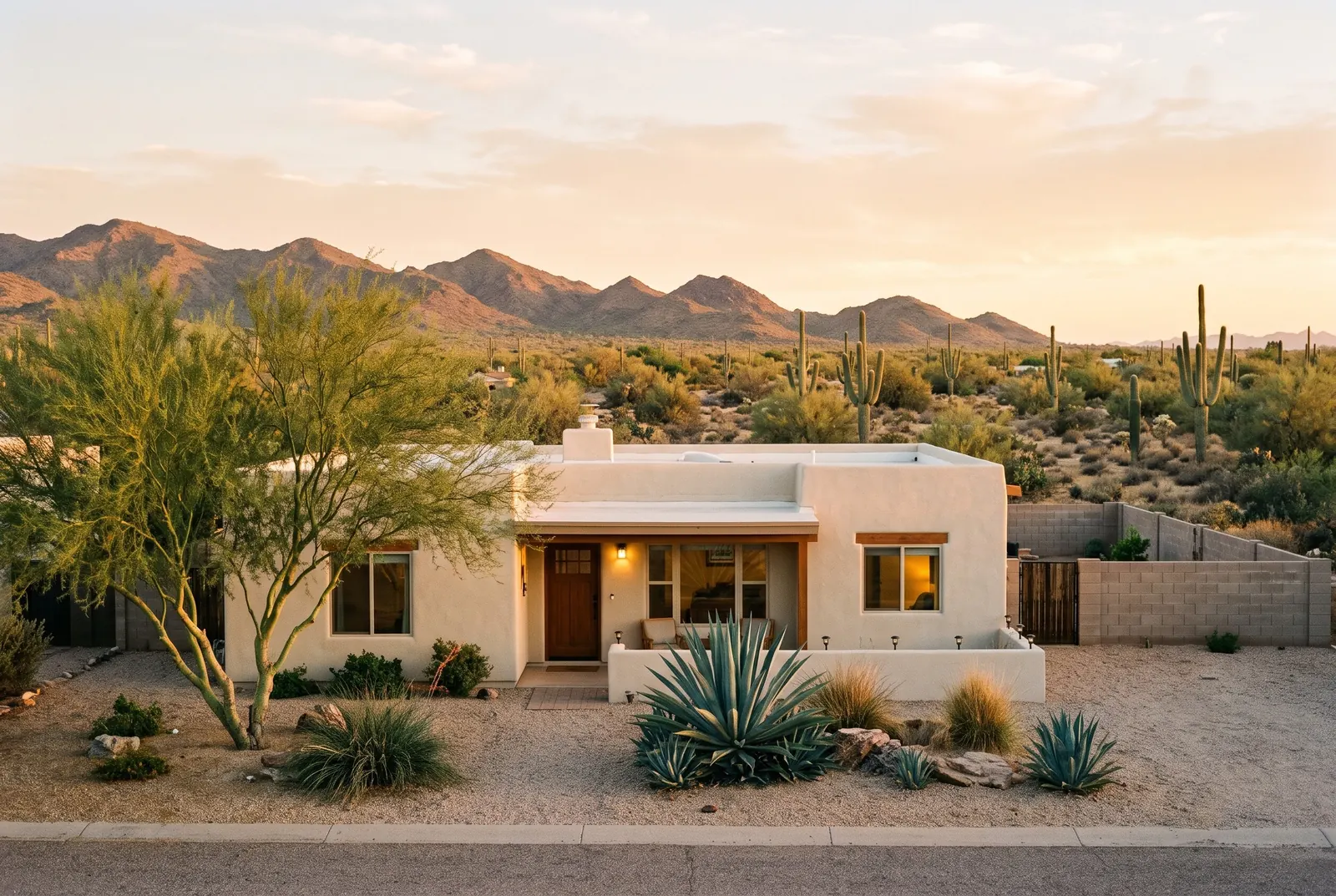
Historic downtown homes
Glendale has a large stock of older homes for the Valley. The Catlin Court Historic District, along 58th and 59th Avenues near downtown, dates to 1914 and is mostly bungalows. It was the first of ten Glendale districts listed on the National Register of Historic Places.
Older homes raise a few specific pest questions:
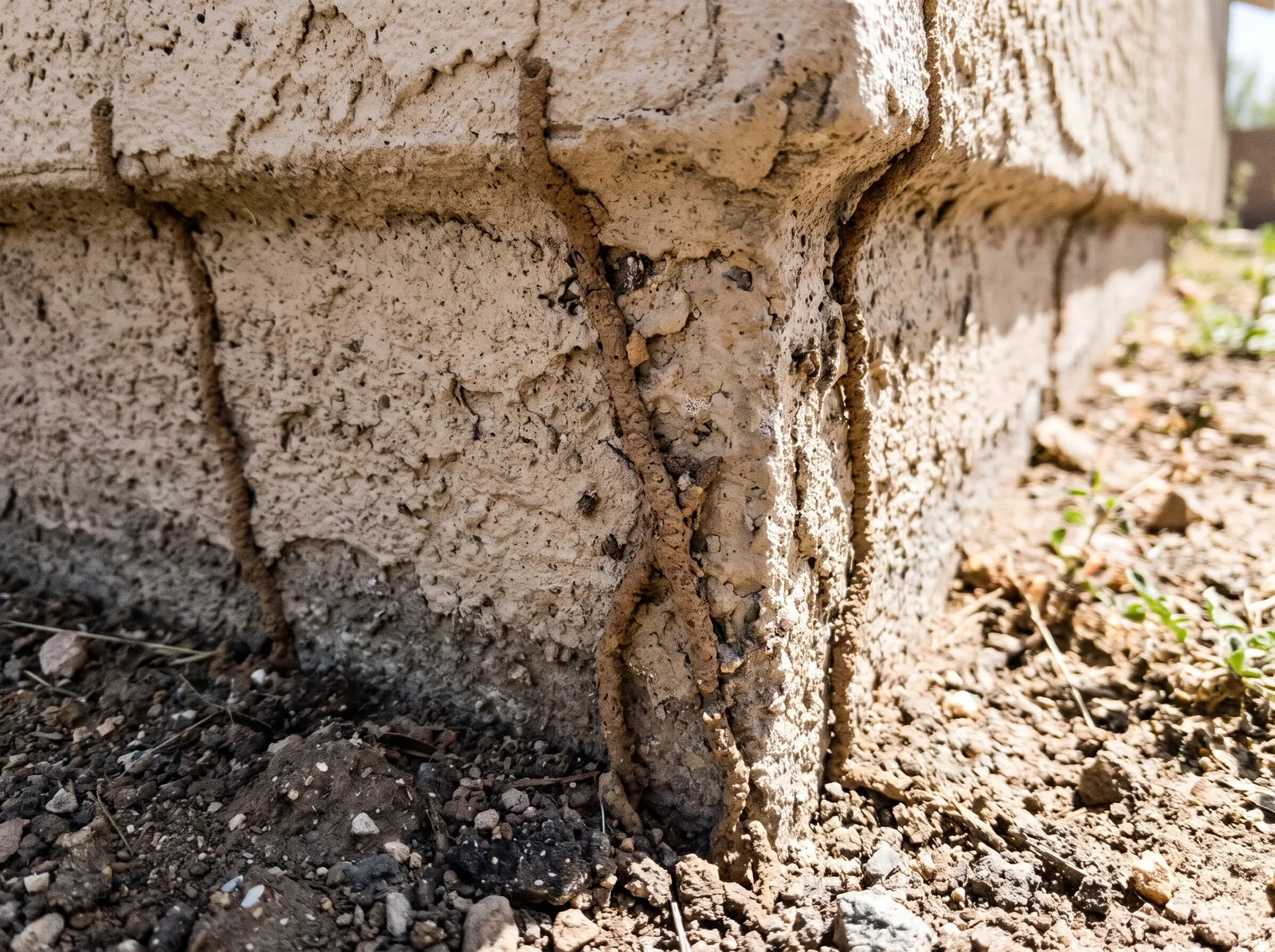
- Termite inspection limits. Arizona rules require an inspector to note every area not inspected and why, and to flag earth-to-wood contact, excess moisture, poor grading, and sub-areas with less than 24 inches of clearance. Additions, enclosed porches and built-in finishes on older homes can all create blind spots. Read those parts of a Wood-Destroying Insect Inspection Report closely. See termite treatment.
- Mature trees and citrus. University of Arizona Extension says roof rats favor old citrus, palms and mature landscaping near canals, which describes many older central neighborhoods. See roof rat control.
- Older plumbing. Extension notes American cockroaches can come up through drain traps from sewer lines.
North Glendale and the desert parks
Northern Glendale borders the Hedgpeth Hills, home to the city's 1,185-acre Thunderbird Conservation Park with about 15 miles of desert trails. The city's own park guidance warns that scorpions and spiders hide under rocks and in bushes, and that rattlesnakes live there too.
Homes near this kind of desert open space tend to see more bark scorpions. University of Arizona Extension says scorpions can't be managed with pesticides alone. Sealing gaps at doors, windows, eaves and pipes, trimming branches off the roof, and clearing rocks and debris from against the house are the main steps. See scorpion control.

West Glendale and the river corridors
The New River and Agua Fria River run along Glendale's west side. University of Arizona Extension notes homes near rivers, washes and arroyos may see more scorpions during summer monsoons, when they can be washed downstream. Newer subdivisions in this area are also more likely to be on recently graded land, where Extension says termites can turn to structures after native vegetation is cleared.
Everyday pests and hiring
Ants, German and American cockroaches, crickets and spiders show up across Glendale and are what most recurring plans cover. See general pest control.
Before hiring, confirm the company's license with the Arizona Department of Agriculture's Pest Management Division using the license check guide. Roof rat sightings can also be reported to Maricopa County Environmental Services.
Common questions
Do older Glendale homes need different termite inspections?
Older homes can have features that make inspection harder, such as wood framing close to soil, additions, or areas an inspector can't reach. Arizona's termite inspection rules require the inspector to note areas not inspected and why, and to flag earth-to-wood contact, excess moisture and sub-areas with less than 24 inches of clearance. Read those sections of the report closely.
Are scorpions worse near Thunderbird Conservation Park?
Homes next to natural desert generally see more bark scorpions, since that's their habitat. Glendale's own park guidance for Thunderbird Conservation Park warns that scorpions hide under rocks and in bushes. University of Arizona Extension says sealing the home is the most effective way to cut down on scorpions indoors.
Who do I report roof rats to in Glendale?
Maricopa County Environmental Services takes roof rat reports through its vector control complaint form, as several Valley cities direct residents to do. The county provides guidance on sealing and trapping. Controlling rats on your own property is up to you or a licensed pest-control company you hire.
Sources
- Wikipedia, Glendale, Arizona (history and geography)
- Wikipedia, Catlin Court Historic District
- City of Glendale, Thunderbird Conservation Park
- University of Arizona Cooperative Extension, Scorpions
- Ariz. Admin. Code R3-8-307, Wood-destroying insect inspections and WDIIRs
- University of Arizona Cooperative Extension, Termites of the Desert Southwest (AZ1356)
- University of Arizona Cooperative Extension, Roof rats: identification, ecology, and signs
- Maricopa County Environmental Services, Roof rat FAQ
- University of Arizona Cooperative Extension, Cockroaches