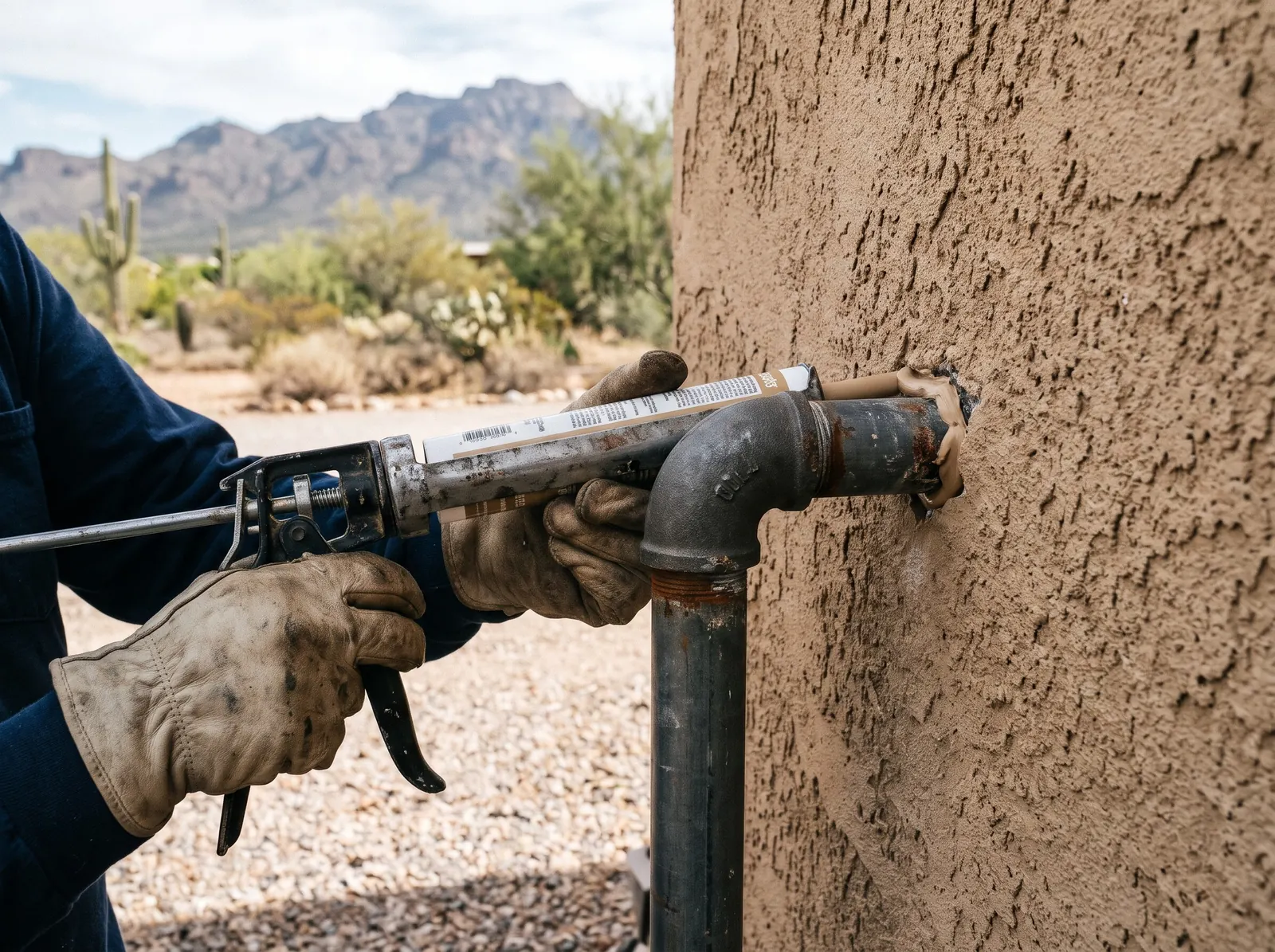
Ants in Phoenix-area homes
University of Arizona Extension lists several ants that turn up in and around Arizona homes:
- Odorous house ants. Small, dark ants that smell when crushed. Extension says they can "invade a home by the thousands" after a weather shift.
- Argentine ants. Tiny ants with large, multi-queen colonies, often nesting under flagstone.
- Carpenter ants. Large black or red-and-black ants, active after sunset, that nest in wood and push out sawdust-like frass.
- Acrobat ants. Mostly a nuisance. They may nest in walls where there's moisture.
- Harvester ants. Recognizable by a cleared circle around a central hole. Extension calls them benign in open spaces, but they sting.
Baits vs. sprays for ants
How ants are treated matters more than how often. Extension says broadcast spraying isn't effective against Argentine ants and recommends bait stations instead. For odorous house ants, it warns that sprays interfere with baits because the ants need to carry the bait back to the colony. If a provider sprays the perimeter every visit, ask how that fits with any baits they use.
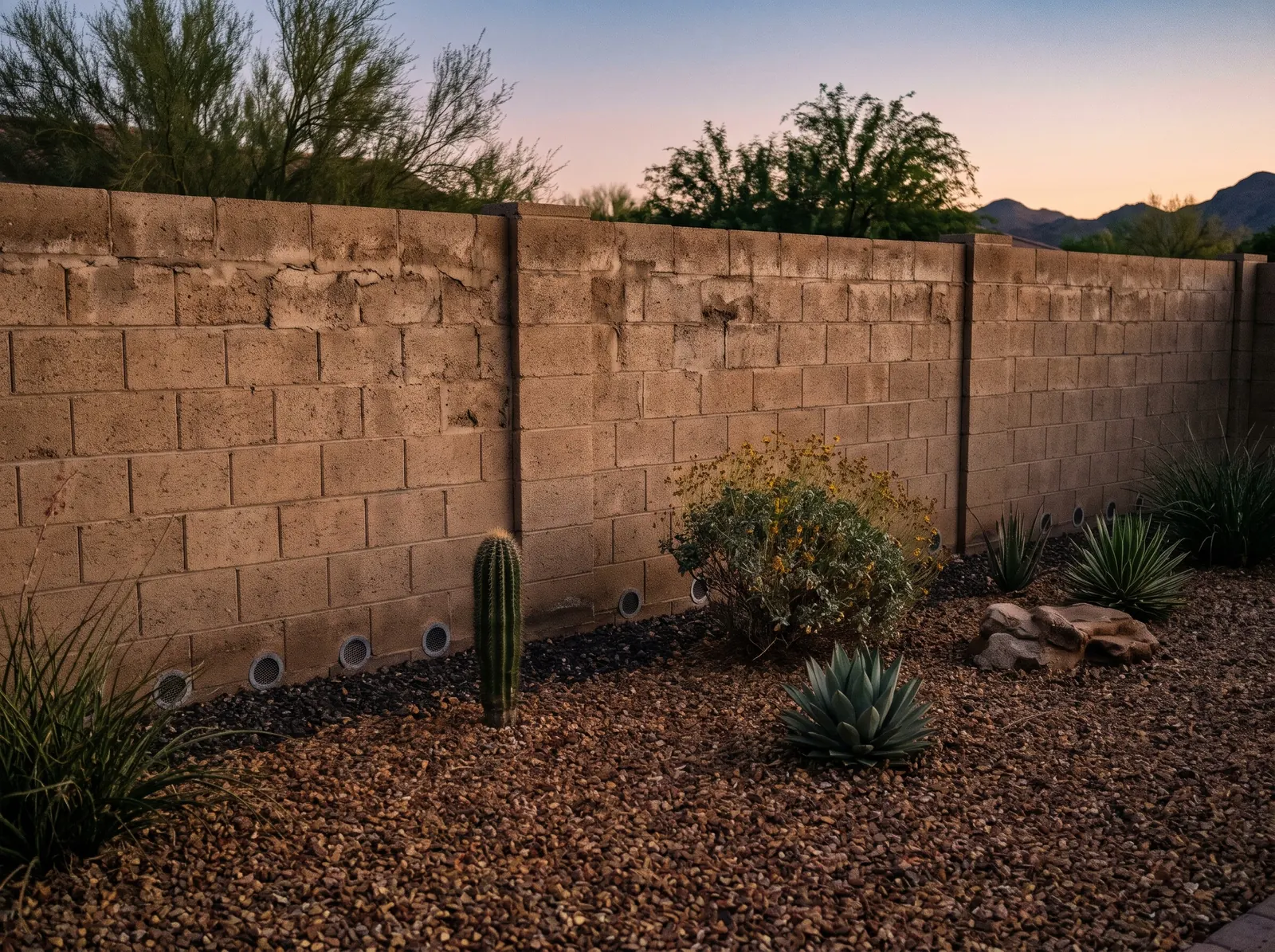
Cockroaches: American, German and others
Extension describes four cockroaches common in Arizona:
- American cockroach. The large "sewer roach." It can come up through drain traps from the sewer and wanders indoors through gaps around doors, windows and drainpipes as temperatures drop.
- German cockroach. Small and indoor-only. Extension says a population is most likely in the kitchen. It doesn't survive cold outdoors, but indoor infestations run year-round.
- Turkestan cockroach. Mostly outdoors, but it can get inside when numbers peak around June.
- Oriental cockroach. Likes dark, damp places such as water meter boxes.
These need different approaches. American and Turkestan roaches are mostly an exclusion and outdoor-harborage problem. German cockroaches are an indoor sanitation and baiting problem. Extension notes that daytime sightings may mean a significant infestation.
Crickets, and why they matter for scorpions
Extension describes two common crickets. The Indian house cricket is the only one that can live and breed indoors. Field crickets prefer the outdoors but come in, especially in fall. Crickets are mostly a nuisance, but they also feed bark scorpions, which become indoor pests where crickets and roaches are plentiful.
Extension's cricket guidance: turn off lights at night where possible or use bug bulbs, keep doors closed at night, caulk and weatherstrip gaps, and use cricket baits indoors. It calls other insecticides a last resort, limited to cracks and crevices. See scorpion control for more on that connection.

Spiders
University of Arizona's community IPM program notes that black widows and desert recluse spiders are active year-round in Arizona, sheltering in burrows and debris outdoors and behind furniture inside. Wolf spiders wander indoors in fall and are considered beneficial. Vacuuming webs, shaking out shoes and clothing, and reducing clutter are the usual non-chemical steps.
What recurring pest-control plans usually include
Most companies sell general pest control as a recurring plan (monthly, every other month, or quarterly). Terms vary, but plans often include:
- An initial service that is more thorough, and often more expensive, than later visits.
- Exterior treatment around the foundation, doors, windows and other entry points on each visit.
- Interior treatment on request or on a set schedule.
- Free return visits if covered pests show up between scheduled services.
What's often not included: termites, rodents, bed bugs, and sometimes scorpions, which may be a separate tier or add-on. See termite treatment and roof rat control.

How to read a service agreement
Before you sign, find these items in writing:
- Covered pests. A specific list, not just "general pests."
- Visit frequency and what each visit includes. Exterior only, or interior too?
- Callback policy. Whether re-services between visits are free, and how fast they happen.
- Term and renewal. Whether it's a fixed-term contract, whether it auto-renews, and how much notice you need to give to cancel.
- Price changes. Whether the per-visit price can go up, and with how much notice.
- The company's license number. Arizona rules require the business name and license number on customer proposals and after-treatment notices.
After each application, Arizona rules require a written notice listing the target pest, the pesticide trade name and amount, the applicator's name and certification number, and the business's name, license number and phone number. Keep these. They show what was used on your property.
Check the company's license with the license check guide, and see pest control cost for national price ranges by visit frequency.
Common questions
What's the difference between American and German cockroaches?
The American cockroach is the large 'sewer roach' that can enter through drain traps from sewer lines and wanders in through gaps when it cools off. The German cockroach is small, lives indoors, and is usually found in kitchens where food and water are close. They're managed differently, so ask a provider which one they found.
Why do ant sprays sometimes make ant problems worse?
For ants like odorous house ants, University of Arizona Extension says insecticide sprays interfere with baits because the ants need to carry bait back to the colony. Broadcast spraying also isn't effective for Argentine ants, where Extension recommends bait stations. Ask a provider whether they use baits, sprays or both, and why.
Do monthly and quarterly pest plans cover scorpions and termites?
Usually not fully. Most general plans cover common crawling insects and spiders. Termites almost always need a separate inspection and treatment, rodents are often quoted separately, and some companies sell scorpion service as an add-on. Check the list of covered pests in the agreement.
What paperwork should I get after a treatment?
Arizona rules require the applicator to give you a written notice right after an application. It must list the target pest, the pesticide trade name, the amount applied, the applicator's name and certification number, and the business's name, license number and phone number, plus a warning to keep children and pets away until the product is dry.