Mesa's range of neighborhoods
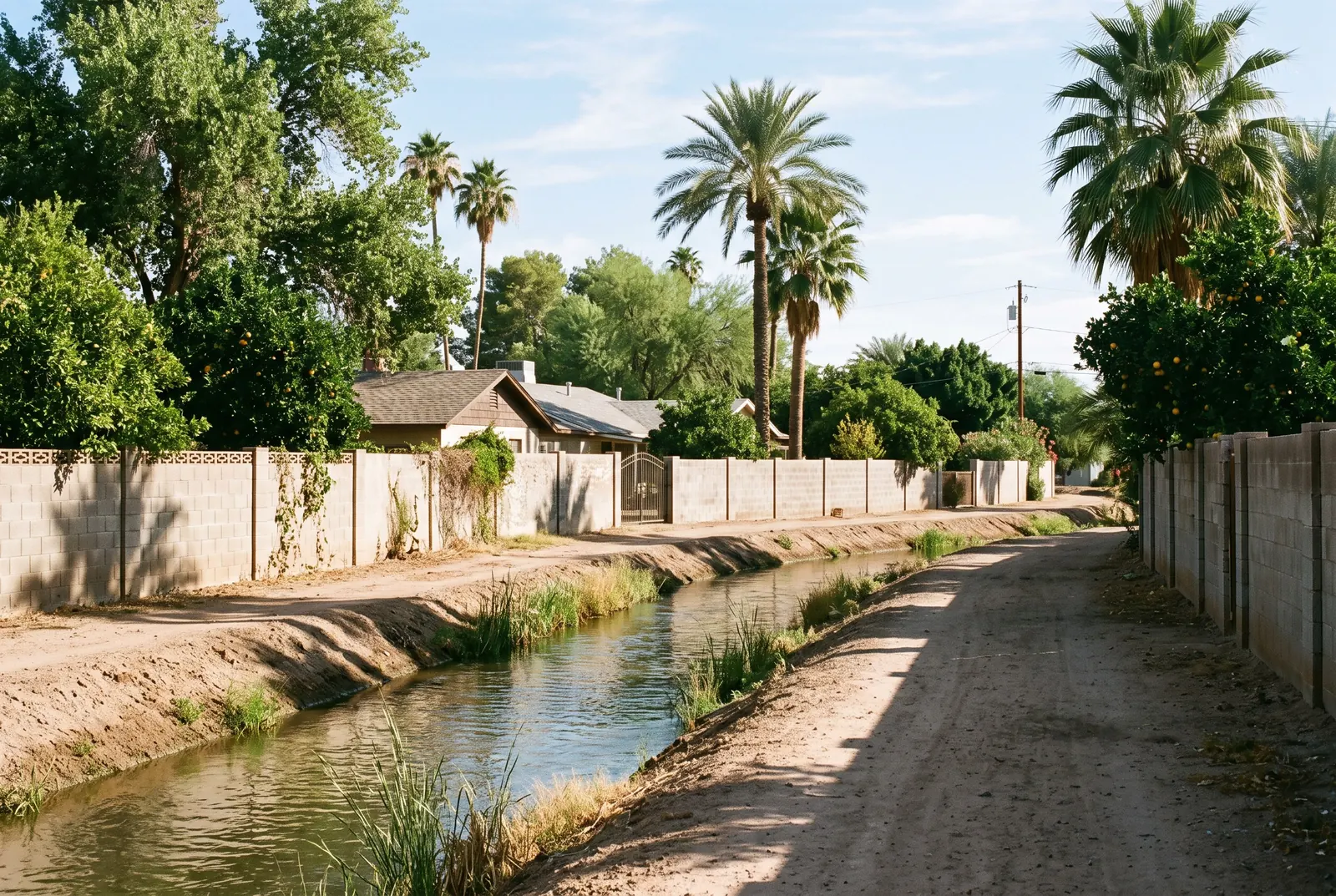
Mesa covers about 139 square miles and runs roughly 18 miles east to west, from Price Road to Meridian Road. Its water history goes back far. The Hohokam built the original canal system here, and Mesa's 1878 settlers put those canals back into use. That long irrigation history, along with newer desert-edge growth, gives Mesa three rough kinds of pest environments.
Older citrus and canal-side neighborhoods
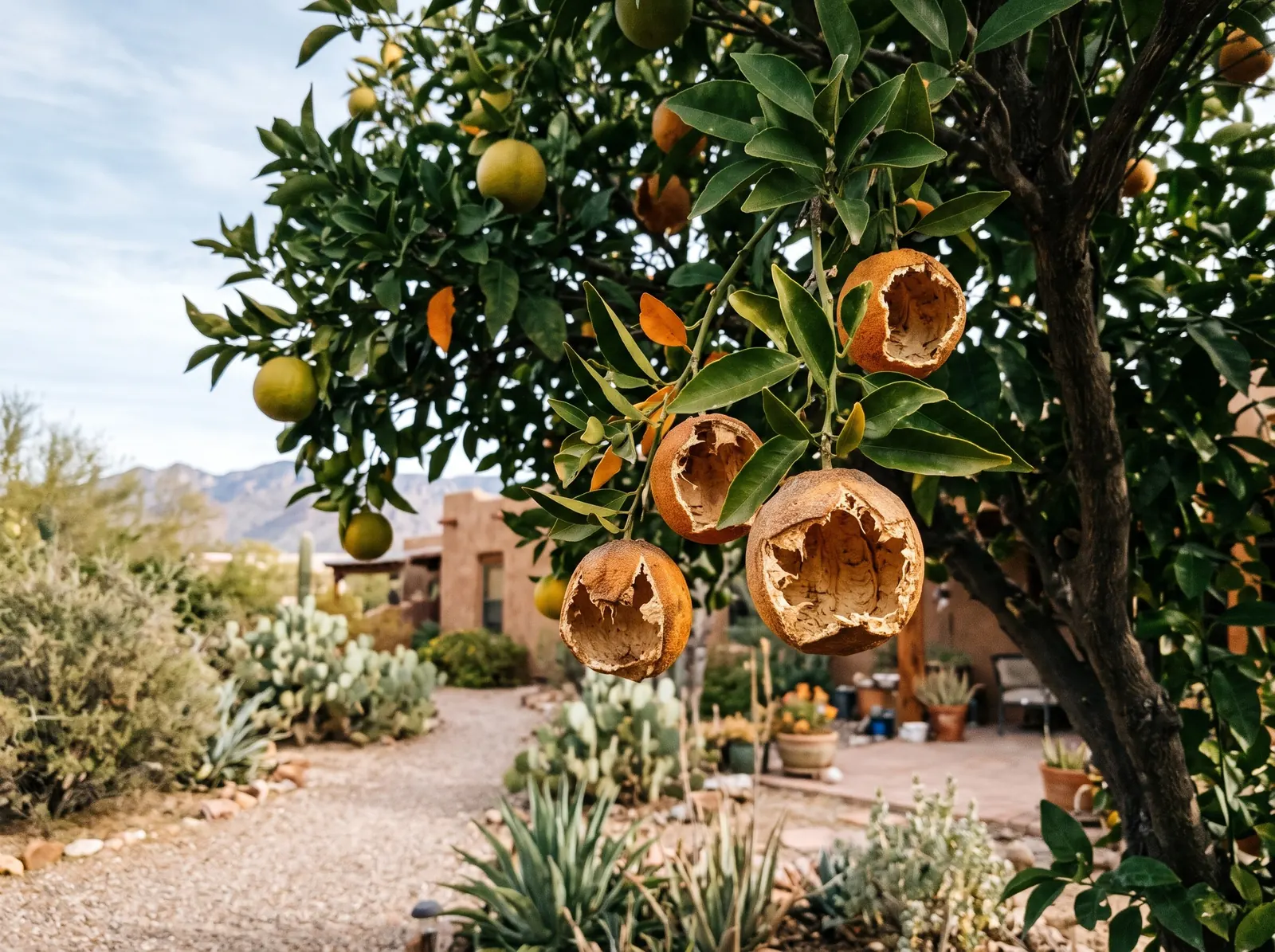
Citrus was a major Mesa industry for most of the 20th century. The Mesa Citrus Growers Association formed in the 1920s, and the city still owns more than 200 acres of orchards at Gene Autry Park near Falcon Field, with trees more than 90 years old. One of the city's planning sub-areas is still named Citrus. Many older neighborhoods kept backyard citrus, palms and mature shade trees as farmland turned into housing.
University of Arizona Extension says this is exactly where roof rats have settled in the Valley: old citrus, palms, mature landscaping and nearby canals. Signs include hollowed fruit on the tree, scratching overhead at night, and chewed wiring. The City of Mesa lists sightings on power lines and patios, gnaw marks around roof eaves and unsettled pets as other clues, and asks residents to report activity to Maricopa County Vector Control. See roof rat control.
Lehi and other irrigated, large-lot areas
Lehi, in north Mesa near the Salt River, is one of the city's original settlements. The city's Lehi Sub-Area Plan describes it as rural and semi-rural, mostly zoned for one-acre lots, with custom homes, horse properties, open irrigation ditches and mostly unpaved local roads. The Consolidated Canal and the Salt River form part of its edges.
Large irrigated lots with outbuildings, feed and animals bring their own mix of pests. Extension says subterranean termites need soil moisture and recommends keeping soil within a foot of the stem wall drier, with irrigation lines more than 18 inches away. On flood-irrigated lots, ask an inspector to look closely at where water collects against the house, and at outbuildings, which a termite inspection report should list separately. See termite treatment.
Northeast Mesa hillsides and desert edge
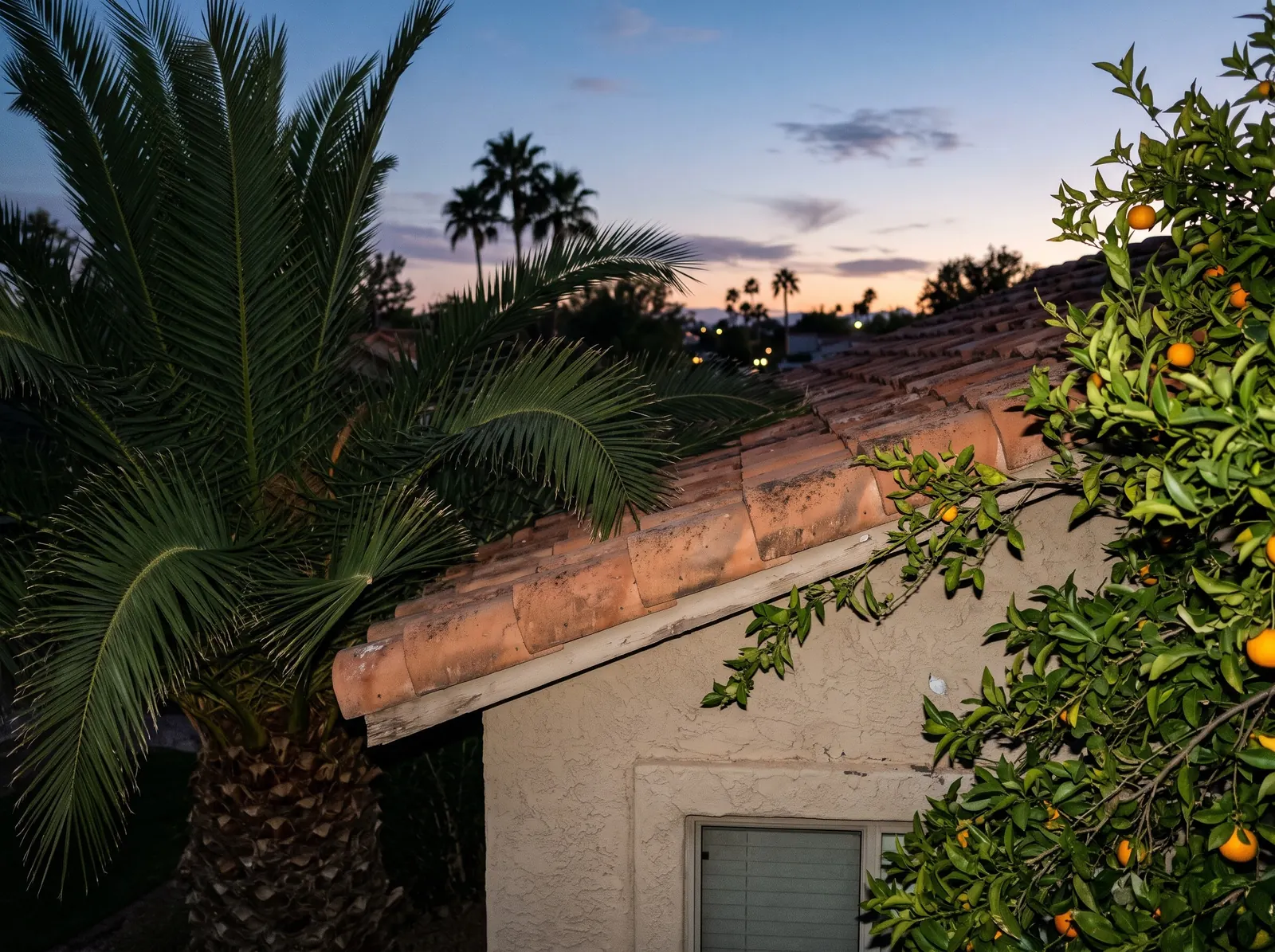
Mesa's northeast reaches into hillside desert. The city's Desert Uplands design guidelines aim to preserve "undisturbed hillsides, washes, low-density development, and mountain views," with preferred native Sonoran Desert plants. Red Mountain Park, at 1,146 acres, is Mesa's largest park.
Homes next to native desert tend to deal more with bark scorpions. University of Arizona Extension says homes near washes and arroyos can see more of them during monsoon storms, and that sealing the house matters more than spraying. Expect a good provider to discuss door sweeps, weatherstripping, gaps at eaves and pipe penetrations, and night UV inspections. See scorpion control.
Everyday pests across Mesa
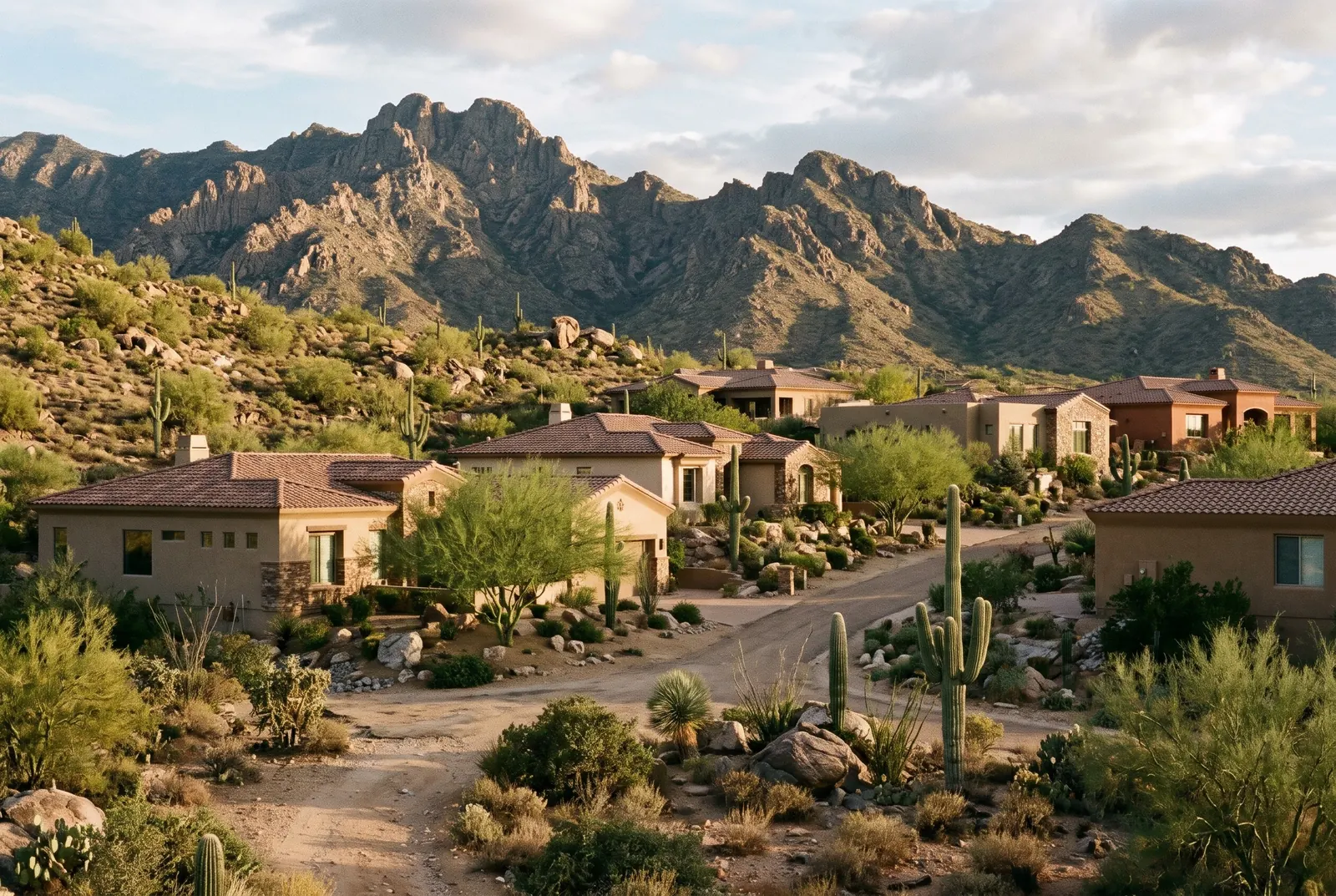
Ants, American and German cockroaches, crickets and spiders show up across the city regardless of neighborhood type. These are what most recurring plans cover. See general pest control.
Before hiring, check the company's Arizona license with the Department of Agriculture's Pest Management Division. The license check guide walks through it, including the state's termite history search for a specific address.
Common questions
Why are roof rats common in older Mesa neighborhoods?
University of Arizona Extension says roof rats have settled into old citrus, palm trees and mature landscaping near irrigation canals. Mesa has a long citrus history and a canal system that dates back to the Hohokam, so many older areas fit that description. The City of Mesa asks residents to report roof rat activity to Maricopa County Vector Control.
Do flood-irrigated properties have more pest problems?
They can see more of some pests. University of Arizona Extension says subterranean termites need soil moisture and recommends keeping soil near the stem wall drier. Mesa's Lehi area, for example, has open irrigation ditches and large lots. Irrigation itself isn't a problem, but water pooling against the foundation is a condition an inspector should note.
What should northeast Mesa homeowners expect?
Mesa's Desert Uplands design guidelines describe undisturbed hillsides, washes and low-density development. Homes next to that native desert tend to deal more with bark scorpions, which live in natural desert and can wash downslope during monsoon storms. Sealing gaps around doors, windows, eaves and pipes is the main defense.
Sources
- Wikipedia, Mesa, Arizona (geography and history)
- City of Mesa, Lehi Sub-Area Plan (2006)
- City of Mesa, Desert Uplands Area Design Guidelines (2010)
- City of Mesa, Roof rats
- FOX 10 Phoenix, Mesa works to preserve Arizona's citrus history
- Wikipedia, Mesa Citrus Growers Association
- University of Arizona Cooperative Extension, Roof rats: identification, ecology, and signs
- University of Arizona Cooperative Extension, Termites of the Desert Southwest (AZ1356)
- University of Arizona Cooperative Extension, Scorpions