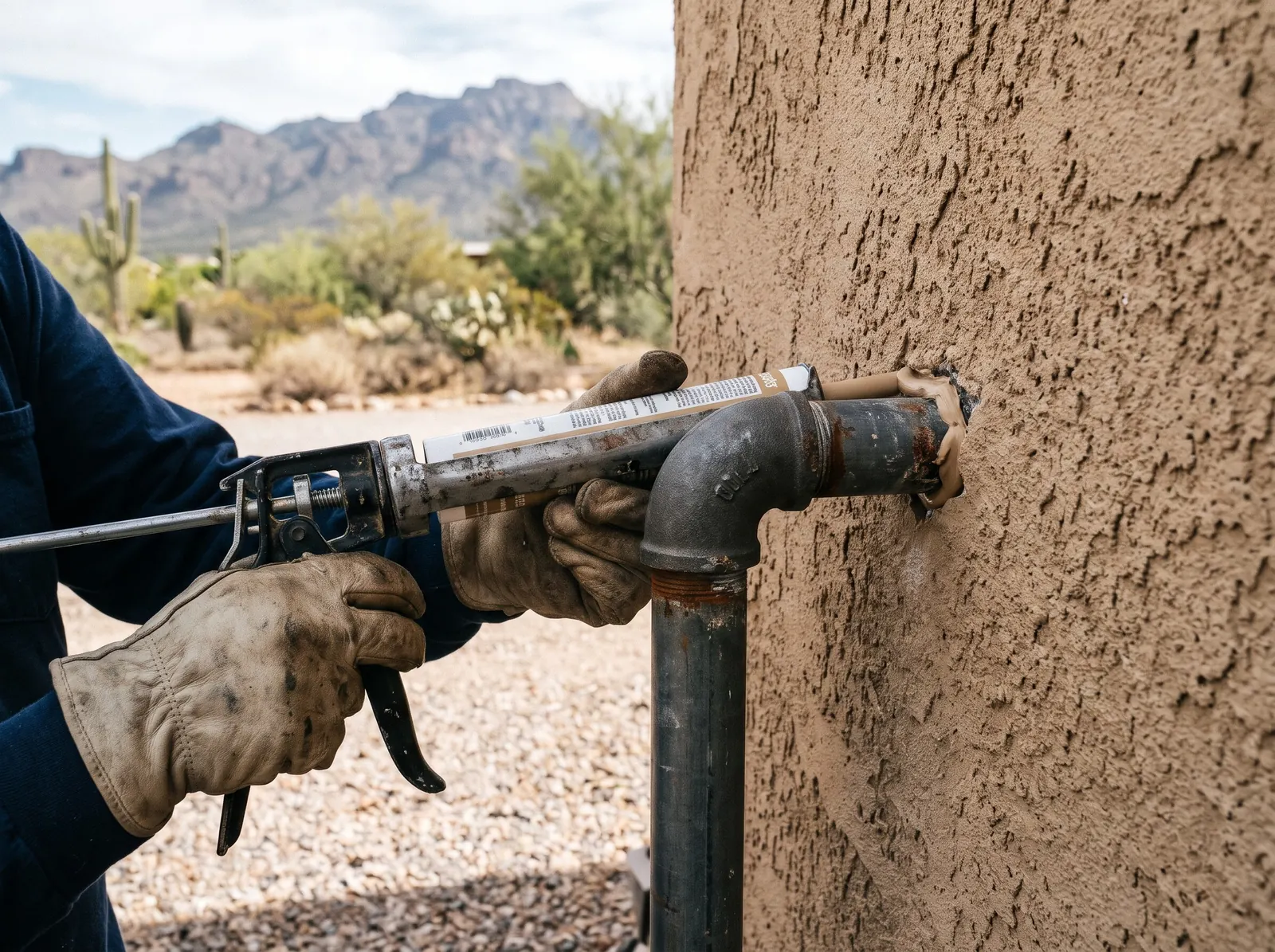
Who regulates pest control in Arizona
Structural pest control in Arizona is regulated by the Pest Management Division (PMD) of the Arizona Department of Agriculture. "Structural" covers pests in and around homes and other buildings: termites and other wood-destroying insects, public health pests, weeds around structures, and the general pests most homeowners deal with.
The agency has had a few names, which can make older paperwork confusing. Pest control was once overseen by the independent Structural Pest Control Commission, then by an Office of Pest Management. A 2016 state law moved that office into the Department of Agriculture as the Pest Management Division, effective June 30, 2016. Some of the division's pages and web addresses (opm.azda.gov) still use the older "OPM" name.

What licenses a pest-control company needs
According to the division's licensing information, non-exempt pest management in Arizona takes three kinds of license:
- Business license. Lets a business and its employees do pest management. It requires business registration documents and proof of financial security.
- Qualifying party (QP). A certified qualified applicator registered with the division and tied to the business. The QP is responsible for training, equipping and supervising the company's applicators and for keeping proof of financial security on file.
- Certified applicator. The individual license for technicians who apply pesticides. Applicants pass a core exam plus at least one category exam and a background check.
All of the division's licenses renew every year. Certain jobs require specific category certification. For example, a Wood-Destroying Insect Inspection Report (WDIIR) must be done by an applicator certified in the wood-destroying organism category. See termite treatment.
How to look up a company or technician
The division's website lists its consumer search tools under its license search and complaint sections. The steps:
- Get the details from the company. Ask for the business name exactly as licensed, the PMD business license number, and the name of the technician who will do the work. Arizona rules require the business name and license number on customer proposals and on after-treatment notices, so they should be easy to provide.
- Search for the business. On the Pest Management Division site, use the license search for pest management companies. The Department of Agriculture's central license search portal also links to separate business and individual searches for pest management licenses.
- Search for the technician. The "Search for Pest Control Professionals in Arizona" tool lets you search by first and last name, employer name, or an ID, applicator or qualifying party number. Partial entries match, and results are capped at 300 records, so more specific details give cleaner results.
- Check complaint history. The division's complaint history search covers companies and individual professionals. The division says it will also provide the number of complaints against a company on written request.
- For termite work, check the property. The termite history search shows Termite Action Report Forms (TARFs) that licensed companies filed for an address over the past three years.
If an online search doesn't settle it, the division's main line is listed on its website, and licensing staff can confirm a license by phone or email.
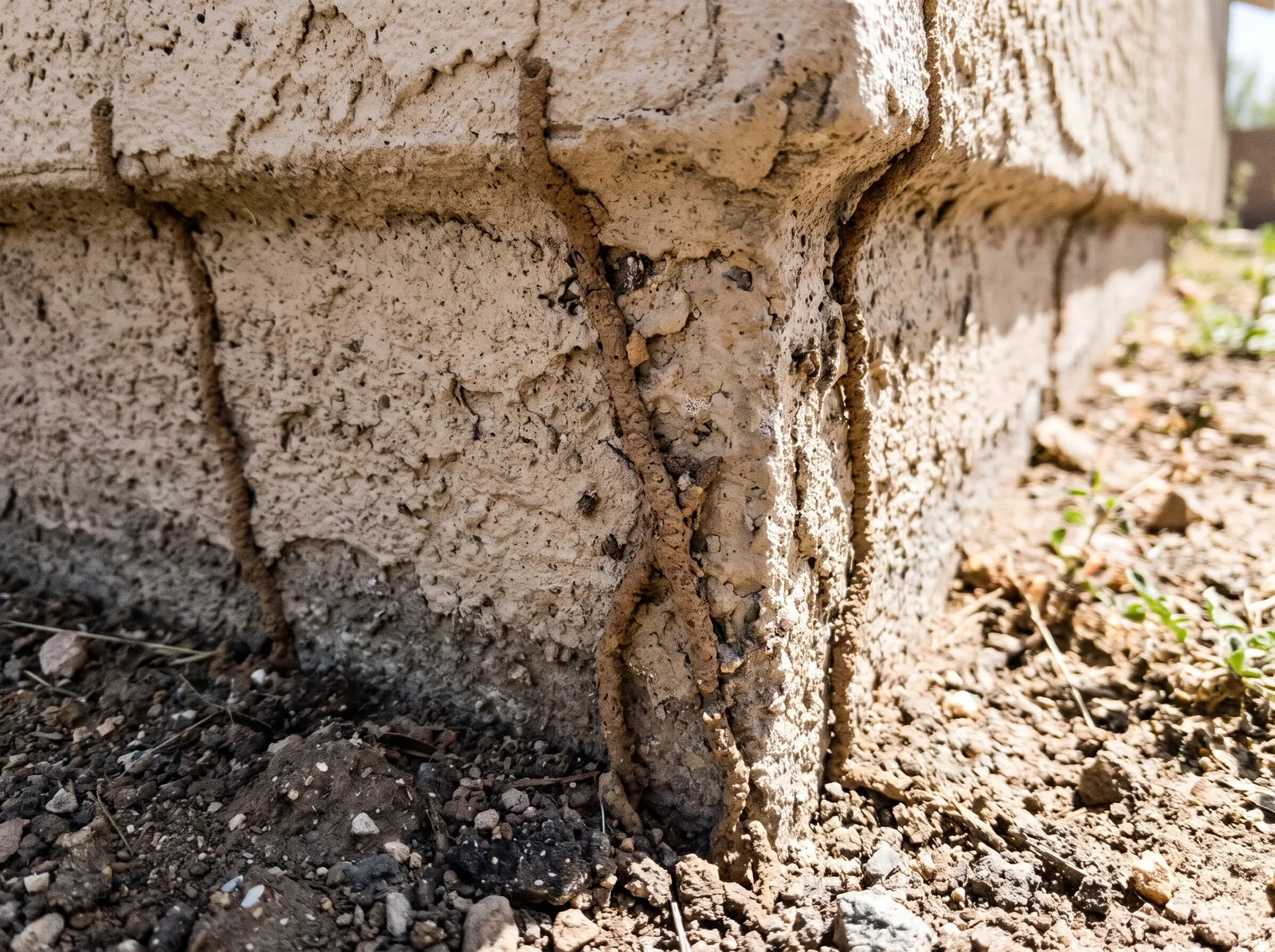
What your paperwork should show
Before work: the proposal or service agreement
For termite work, the division lists minimum contents for a treatment proposal: the property address; whether the work is preventive or corrective; the signs of infestation and a diagram where applicable; the treatment method and product or device, with a diagram of where it will be applied; the cost; the terms of the service agreement; and the inspector's signature and license number. The business name and license number must be displayed prominently.
For general pest plans, the state doesn't spell out contract contents the same way. Look for at least: the pests covered, visit frequency, price and any initial fee, callback policy, contract length, auto-renewal, and how to cancel. See general pest control for a fuller checklist and pest control cost for pricing factors.
After each treatment: the written notice
Arizona Administrative Code R3-8-306 requires the applicator to give you a written notice right after an application. It may be electronic. It must include:
- Your name and address, the specific site treated, and the date.
- The target pest or purpose of the service.
- The pesticide's trade name, plus the EPA registration number for any restricted-use pesticide.
- The amount applied.
- The applicator's name and certification number, or the supervising certified applicator's if the applicator isn't certified.
- A warning to keep children and pets away from applications until dry, dissipated or aerated, along with the business's name, PMD license number and phone number.
Keep these notices. They're your record of what was applied and by whom.
Filing a complaint
The division handles complaints about improper pesticide application or use and other matters within its regulations. It posts a complaint form on its website that can be submitted by email or fax. After a complaint is filed, the company gets a copy and has 20 days to respond, and an inspector investigates.
The division's termite guidance is clear that it "does not have jurisdiction over contractual matters." Billing disputes and warranty disagreements generally come down to your written contract, which is one more reason to read it before you sign.
Common questions
Which agency licenses pest control in Arizona?
The Pest Management Division (PMD) of the Arizona Department of Agriculture. A 2016 law moved the former Office of Pest Management, which had replaced the Structural Pest Control Commission, into the department as this division, effective June 30, 2016. It regulates structural pest control: pests in and around homes and other buildings.
What licenses does a pest-control company need in Arizona?
Three pieces: a business license; a qualifying party, who is a certified qualified applicator registered to that business and responsible for training and supervising its applicators; and certified applicators for the people doing the work. Licenses renew every year, and the business must keep proof of financial security on file with the division.
Can I see complaints against a pest-control company?
Yes. The Pest Management Division says consumers can get information online or in writing about a business's license status and complaint history. Its website has a complaint history search, and the division will also provide the number of complaints against a company on written request.
Can the state help with a billing or contract dispute?
Generally no. The division investigates complaints within its jurisdiction, such as improper pesticide application, and states in its termite guidance that it has no jurisdiction over contractual matters. For contract and billing disputes, your written agreement is what counts. That's why reading it before you sign matters.
Sources
- Arizona Department of Agriculture, Pest Management Division
- Arizona Department of Agriculture PMD, Licensing and contacts
- Arizona Department of Agriculture PMD, Licensing information (PDF)
- Arizona Department of Agriculture PMD, Pest management FAQ
- Pest Management Division, Search for pest control professionals
- Arizona Department of Agriculture, License search portal
- Arizona Department of Agriculture PMD, About filing complaints
- Arizona Department of Agriculture PMD, Termite Action Report Forms (TARFs)
- Arizona Department of Agriculture PMD, Termite Recurrence Guide
- Arizona Laws 2016, Chapter 221 (pest management; Department of Agriculture)
- Ariz. Admin. Code R3-8-306, Providing notice to customers
- Arizona Department of Agriculture PMD, Treatment proposal helpful hints